
Generative AI (Artificial Intelligence Generated Content)
Definition
Baidu Baike
Generative AI (AIGC) is a major sign of the transition from AI 1.0 to AI 2.0.
The accumulated fusion of technologies such as GAN, CLIP, Transformer, Diffusion, pretrained models, multimodal techniques, and generative algorithms has triggered the AIGC explosion. Continuous algorithmic iteration and pretrained models drive a qualitative leap in AIGC capabilities. Multimodality expands the content polygon of AIGC, giving it more general and stronger foundational abilities.
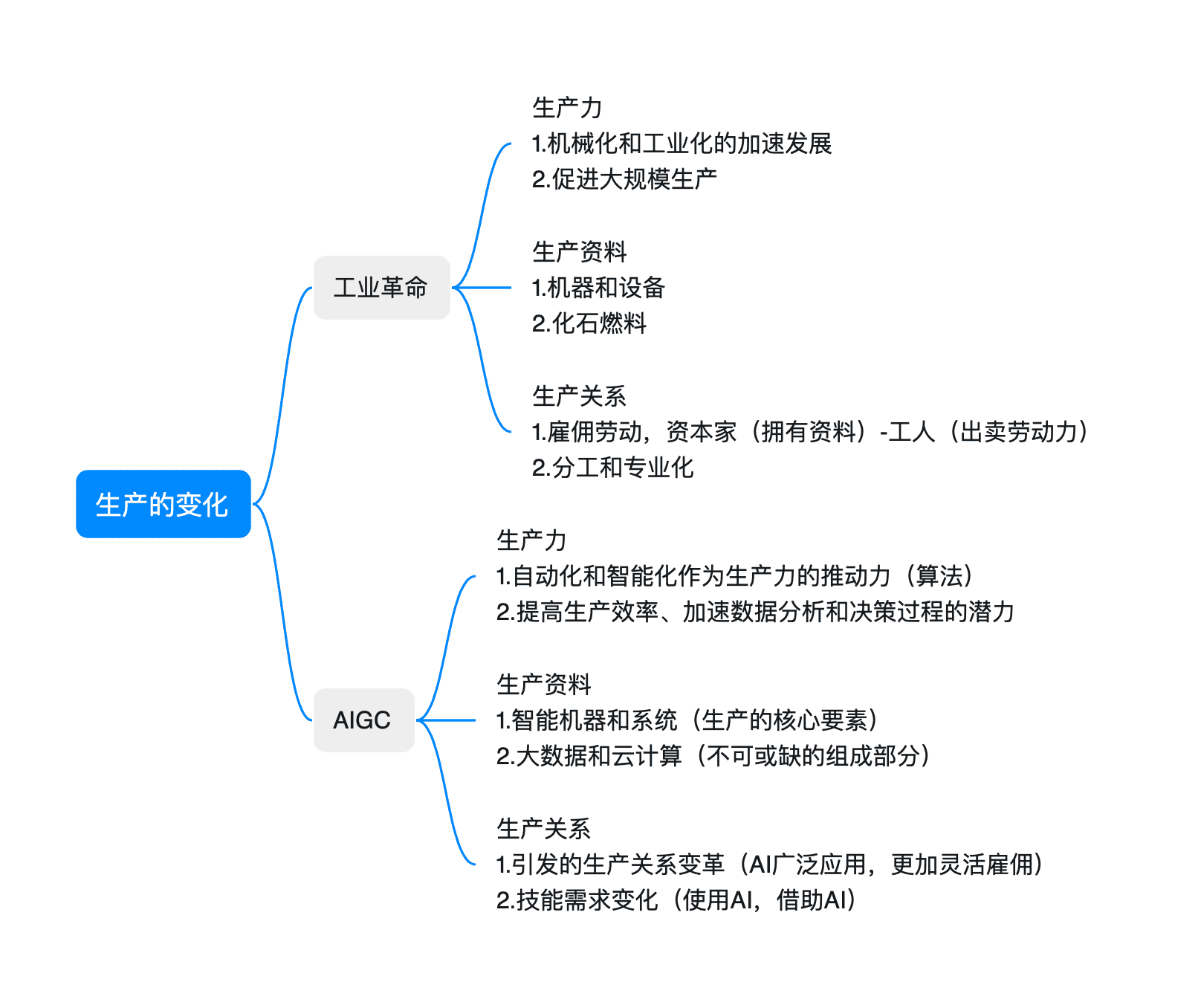
AIGC is a milestone for human society and AI. In the short term it changes basic productivity tools; in the medium term it will reshape social production relations; in the long term it will lead to a qualitative leap in productivity. In this transformation of tools, relations, and productivity, the value of data as a factor of production is greatly amplified.
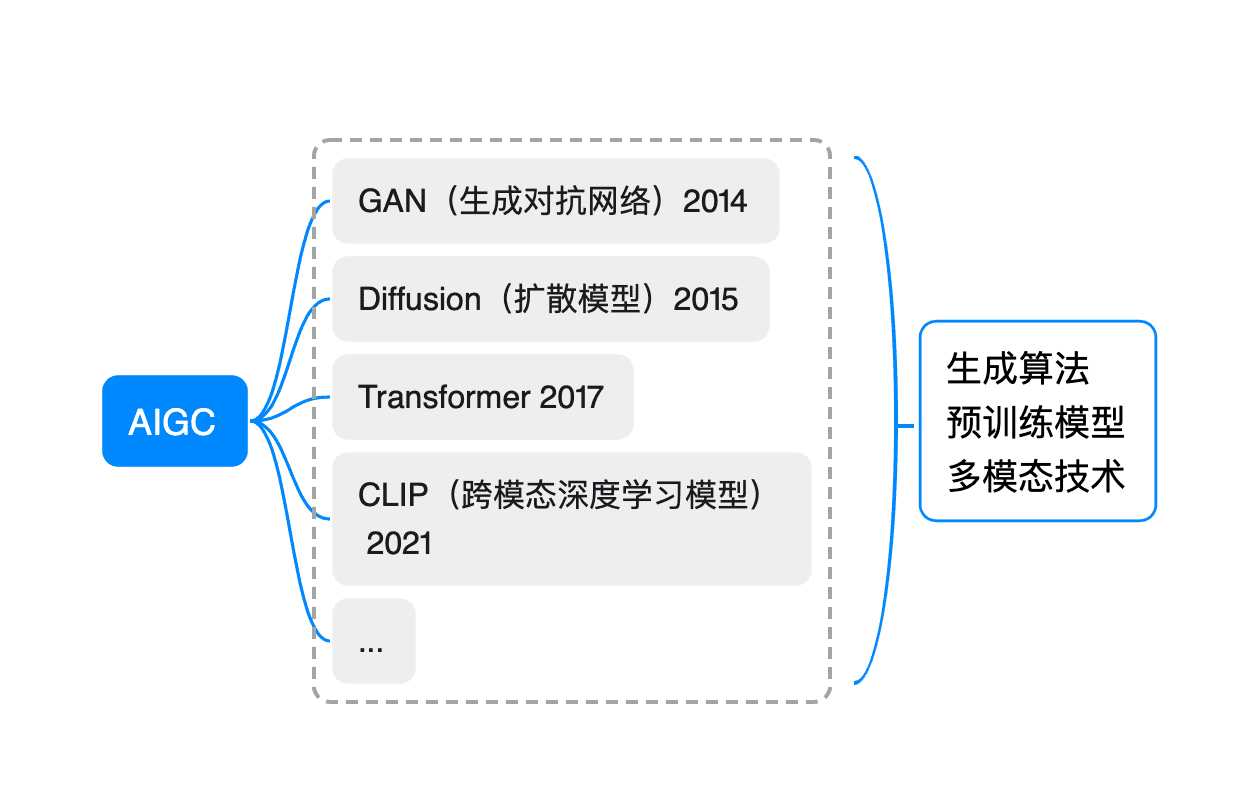
- Core generative models keep making breakthroughs.
- Pretrained models triggered a qualitative leap in AIGC capability.
- Multimodal techniques expand AIGC content diversity, making it more general.
Changes in productivity, production relations, and means of production
Ecosystem
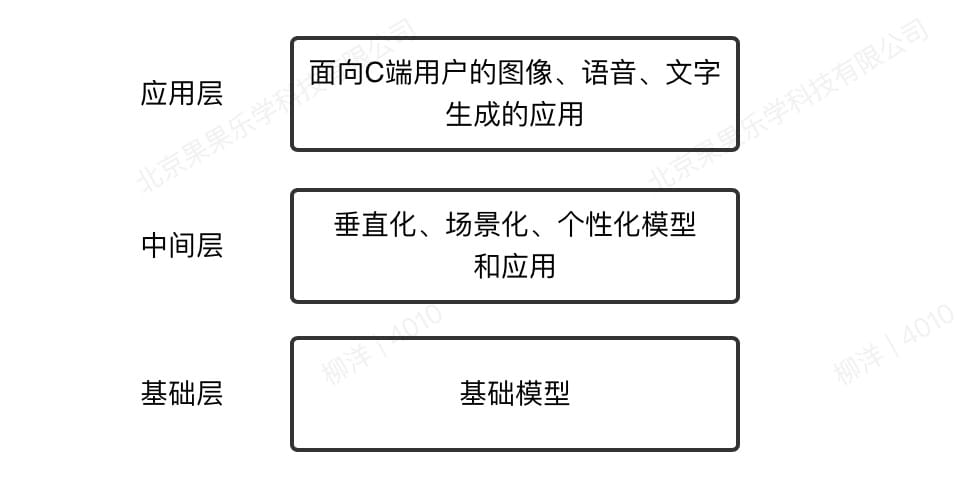
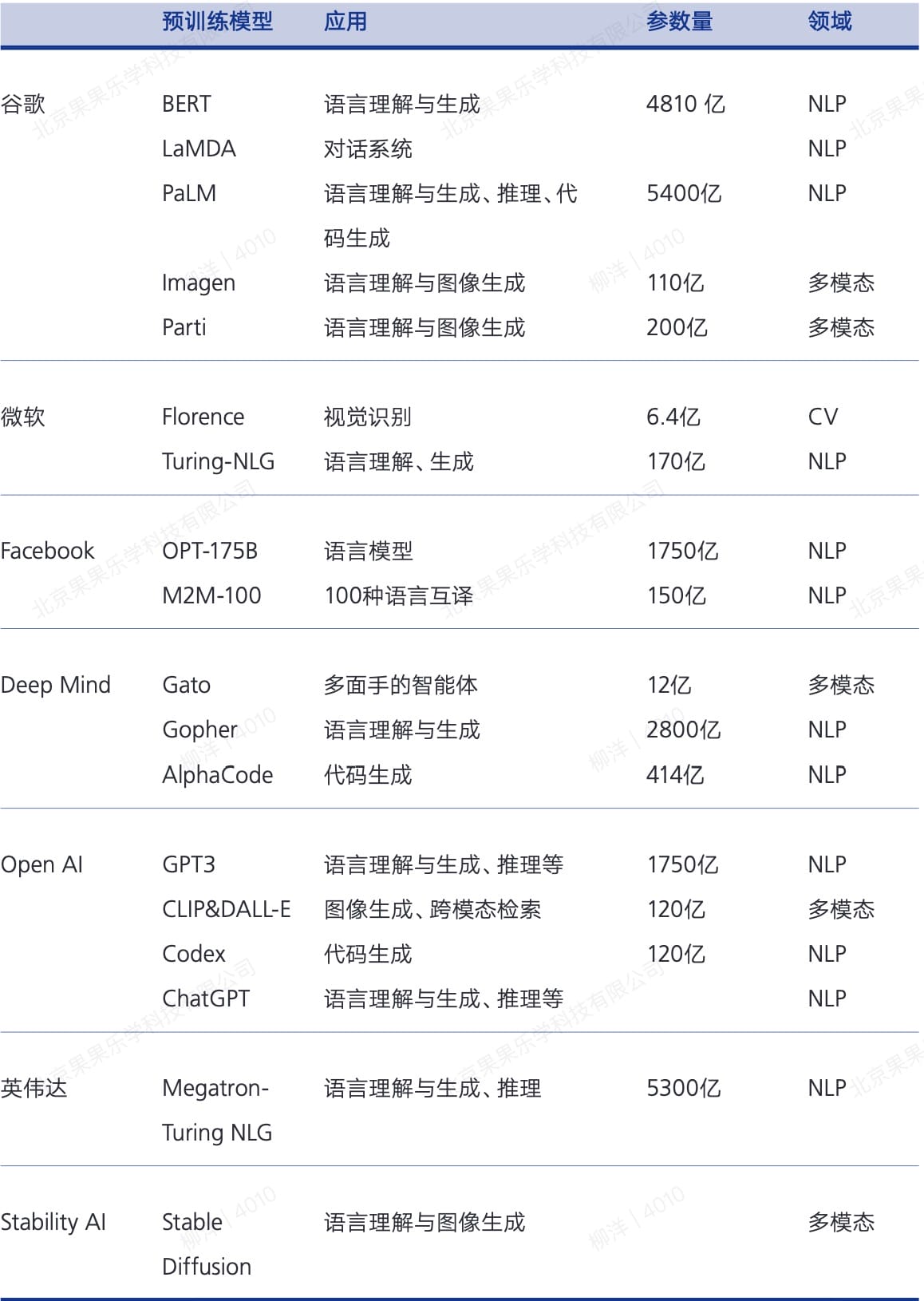
Foundation Models
Main AIGC pretrained models abroad
Scenarios and Applications
- Tool AI
- AI toolbox
- AI navigation
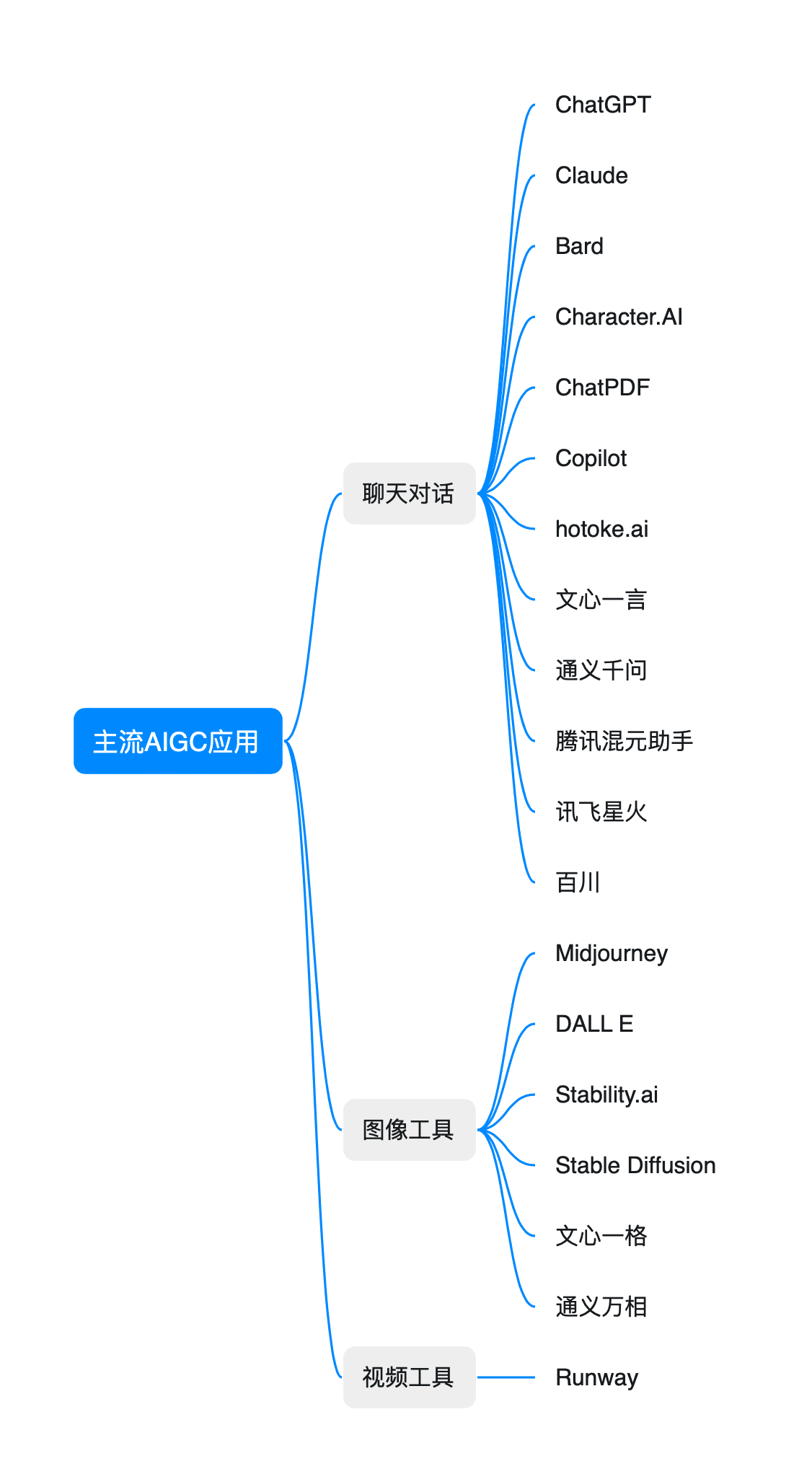
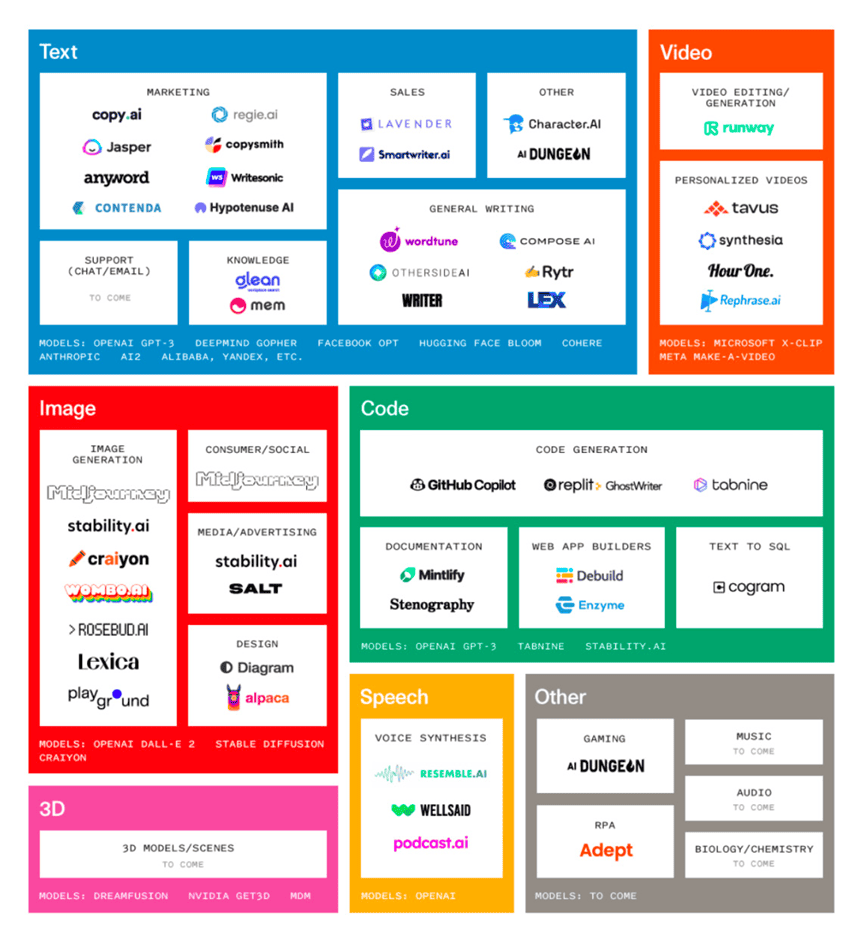
International AIGC Apps
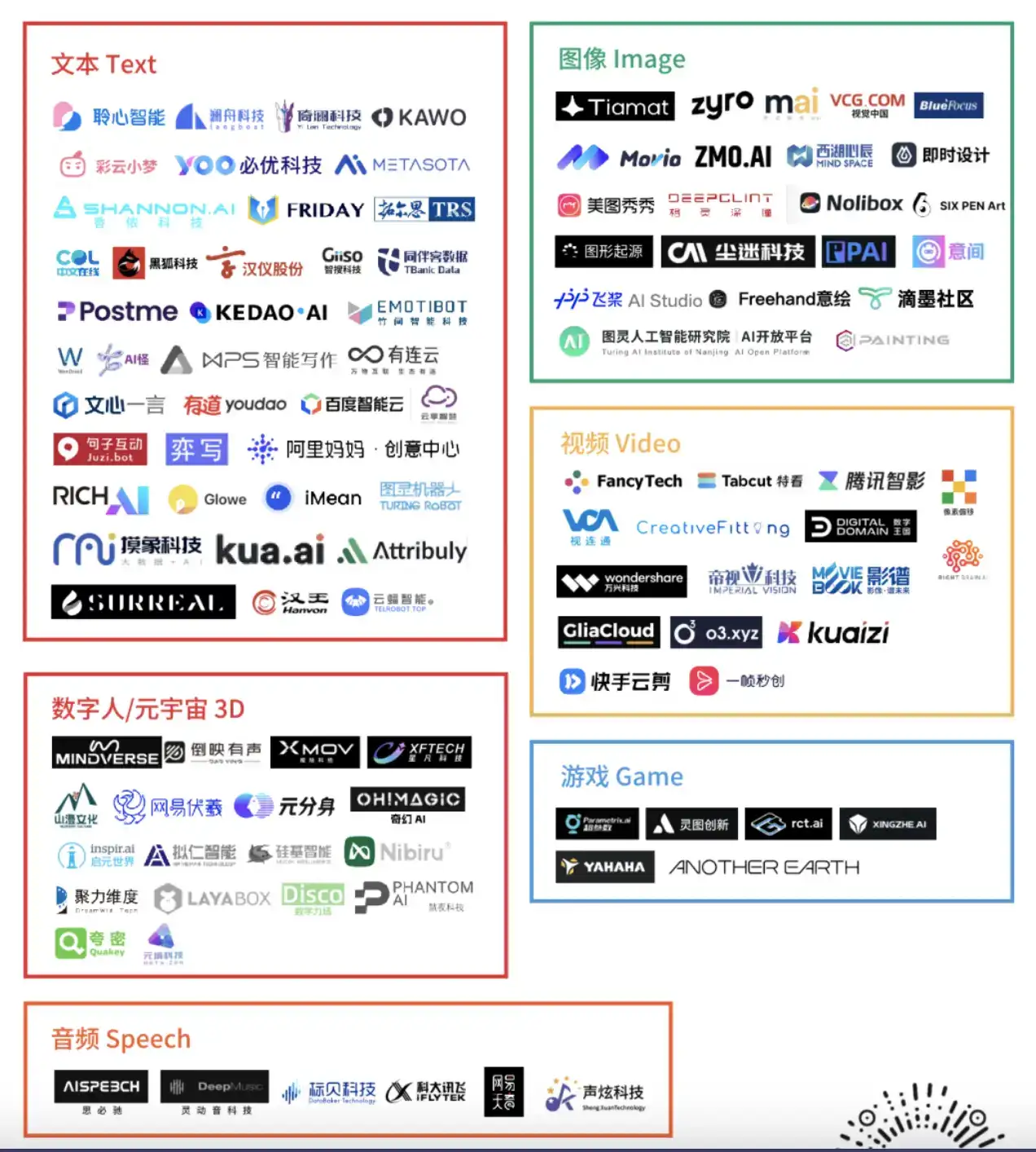
China AIGC Apps
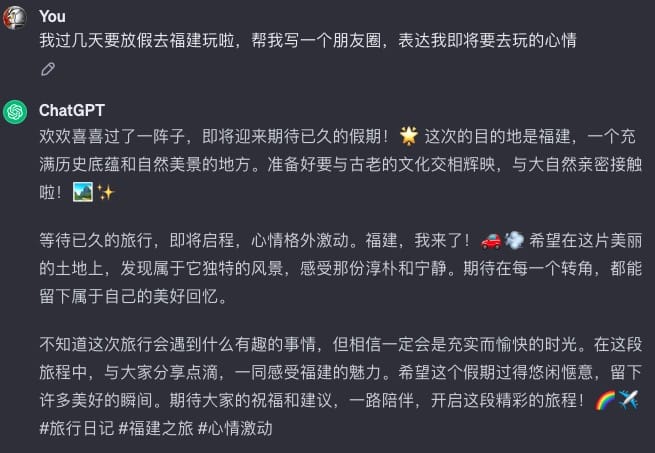
General Use Case Examples
ChatGPT
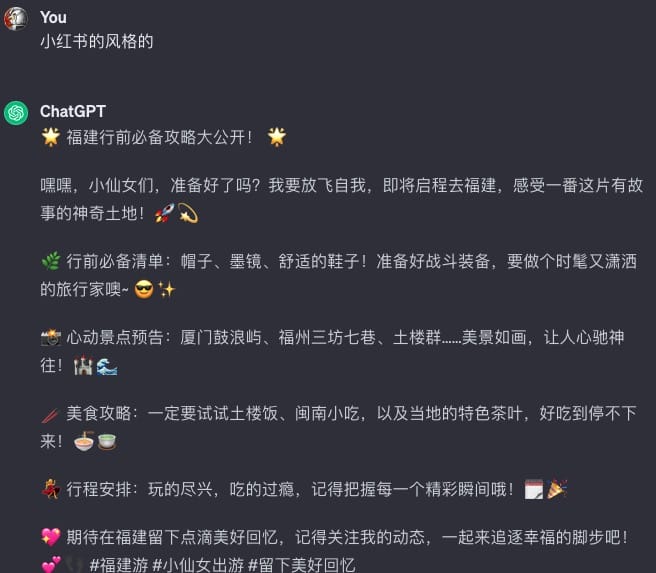
ChatPDF
ChatPDF lets you drop in a PDF under 200 pages, and it quickly “reads” the whole document. It can generate a summary of key points, and you can ask follow-up questions. It answers based on the document.
Last weekend I helped my child review. I uploaded a PDF of his math mistakes; the right side shows its answers. The accuracy was pretty good.
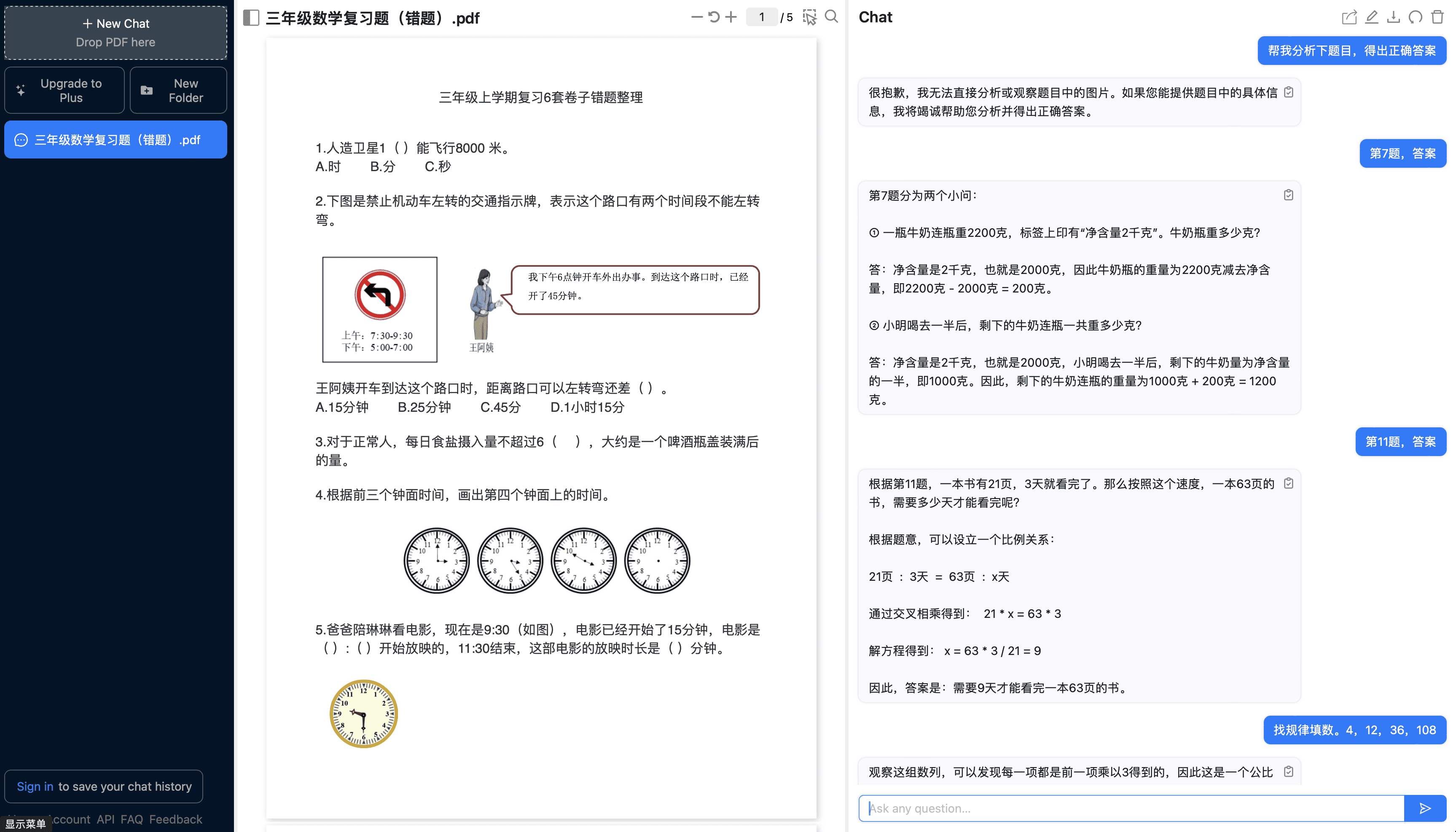
Tencent Hunyuan Assistant
Search “Tencent Hunyuan Assistant” in WeChat mini programs.
It integrates multiple scenarios: chat, drawing, coding, etc.
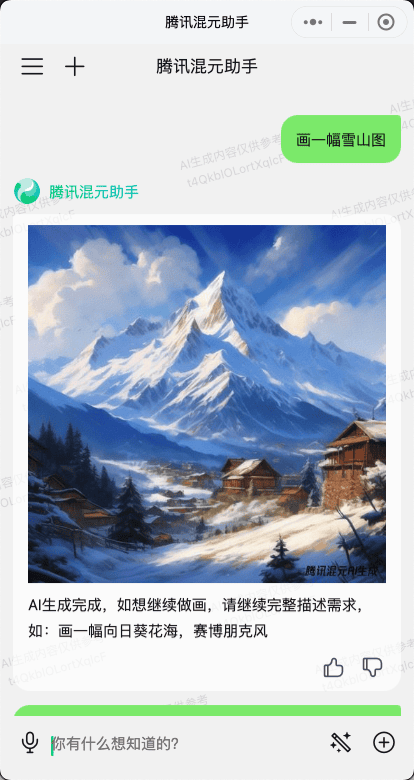
Tongyi Tingyu
Search “Tongyi Tingyu” in WeChat mini programs.
An audio transcription tool that can record speech in real time, translate live, and summarize.
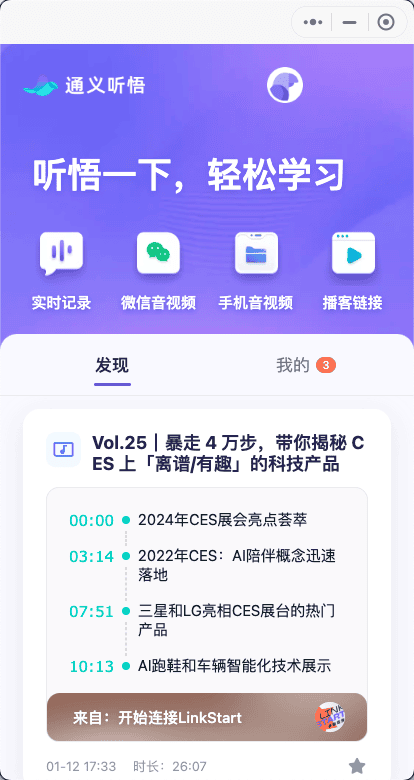
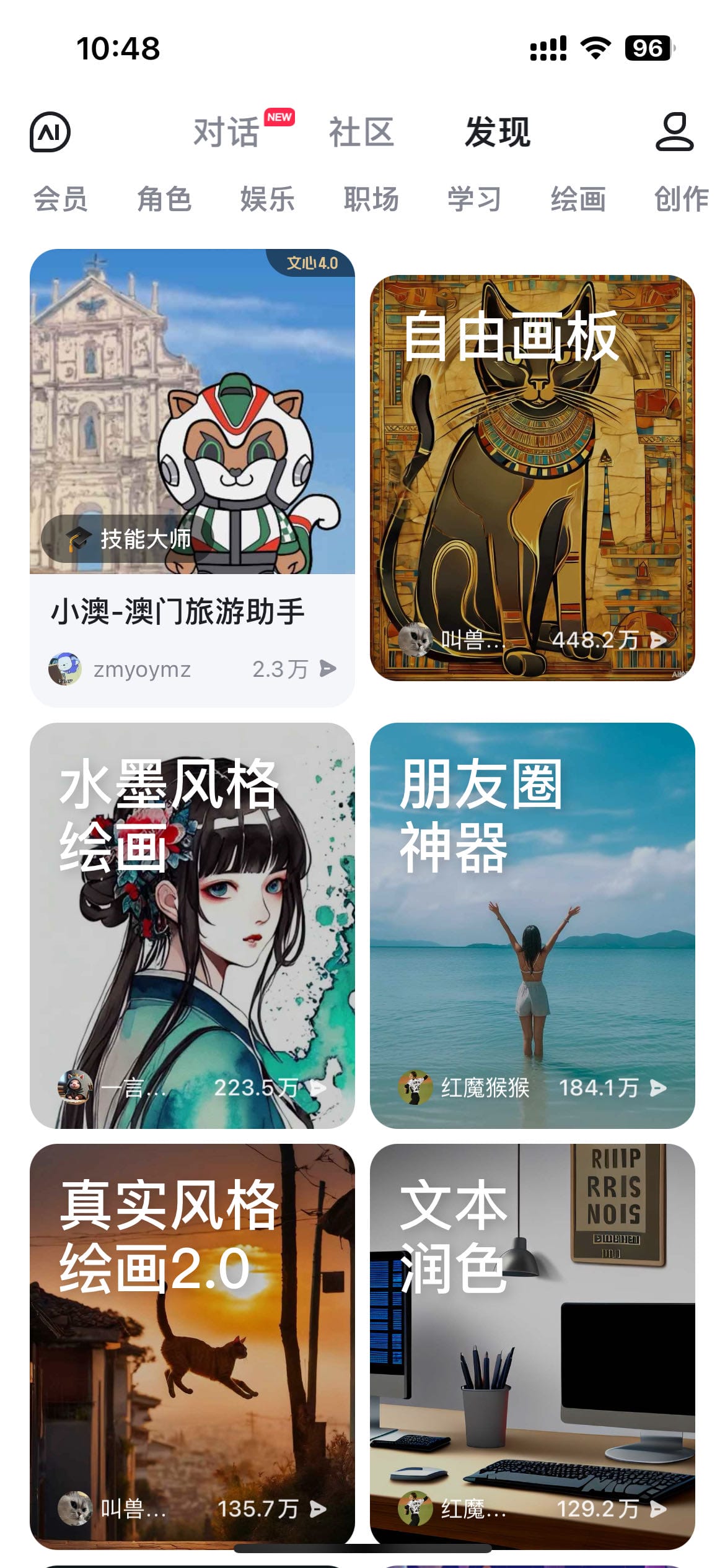
Wenxin Yiyan
In the Wenxin Yiyan app.
It integrates multiple scenarios: chat, drawing, coding, etc.
Runway
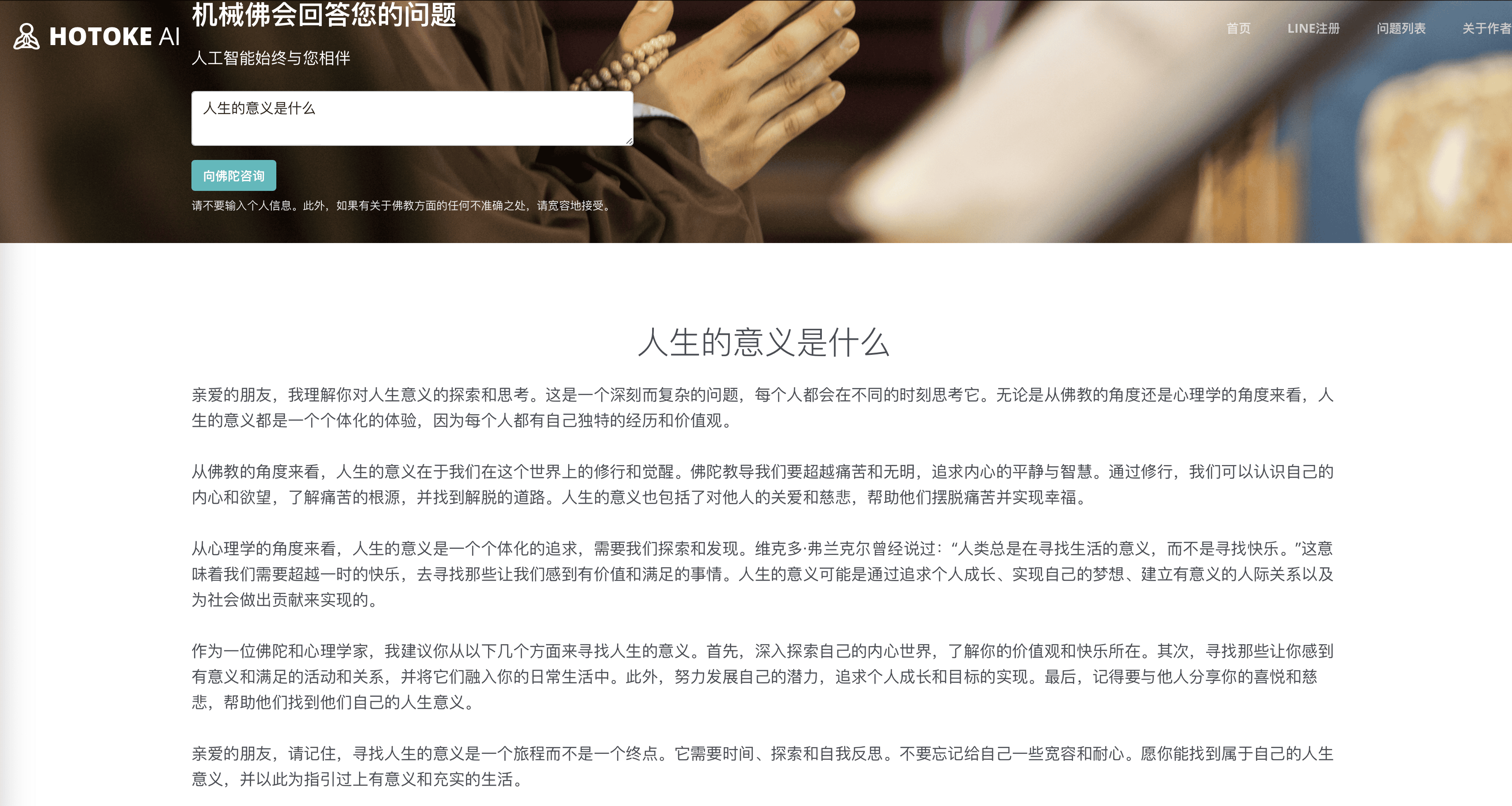
hotoke.ai
Hotoke.ai is a ChatGPT-based “Buddha” platform created by a Japanese developer. It has helped millions of people with their worries.
I asked a question people often think about when they are lost: “What is the meaning of life?”
Learning Use Case Examples
Duolingo
A popular free language-learning app that uses gamification. I have used it for a long time and the experience is excellent.
The US version added GPT-4 features: Max.
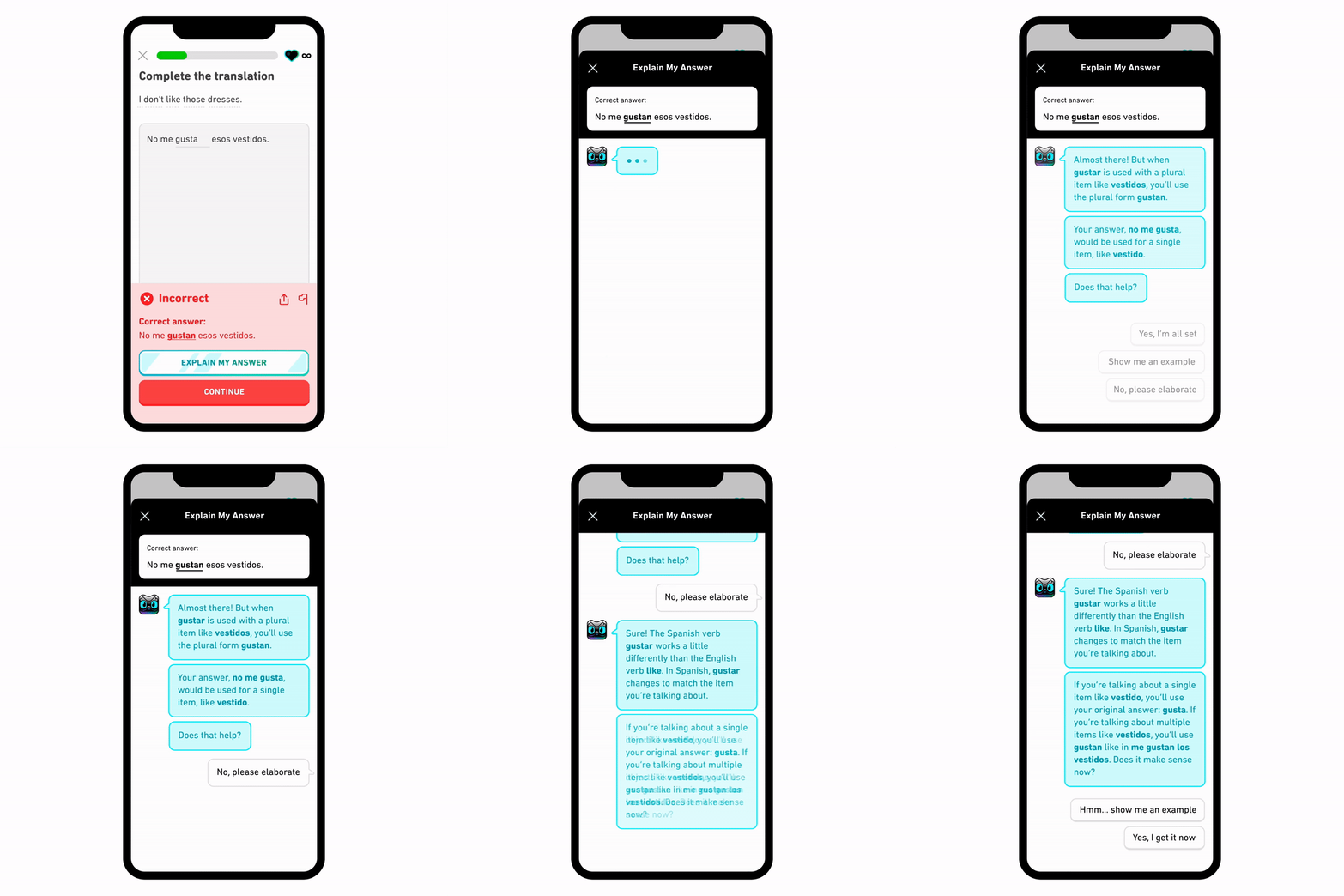
It offers two main GPT-4-based features: Explain My Answer and Roleplay.
Explain My Answer
The goal is to help students not only know whether their answer is correct or incorrect, but also understand why. Whether their answer is right or wrong, they can talk to the assistant to get a brief explanation and ask for examples or clarification. This helps students understand and fix mistakes and improve learning outcomes.
Roleplay
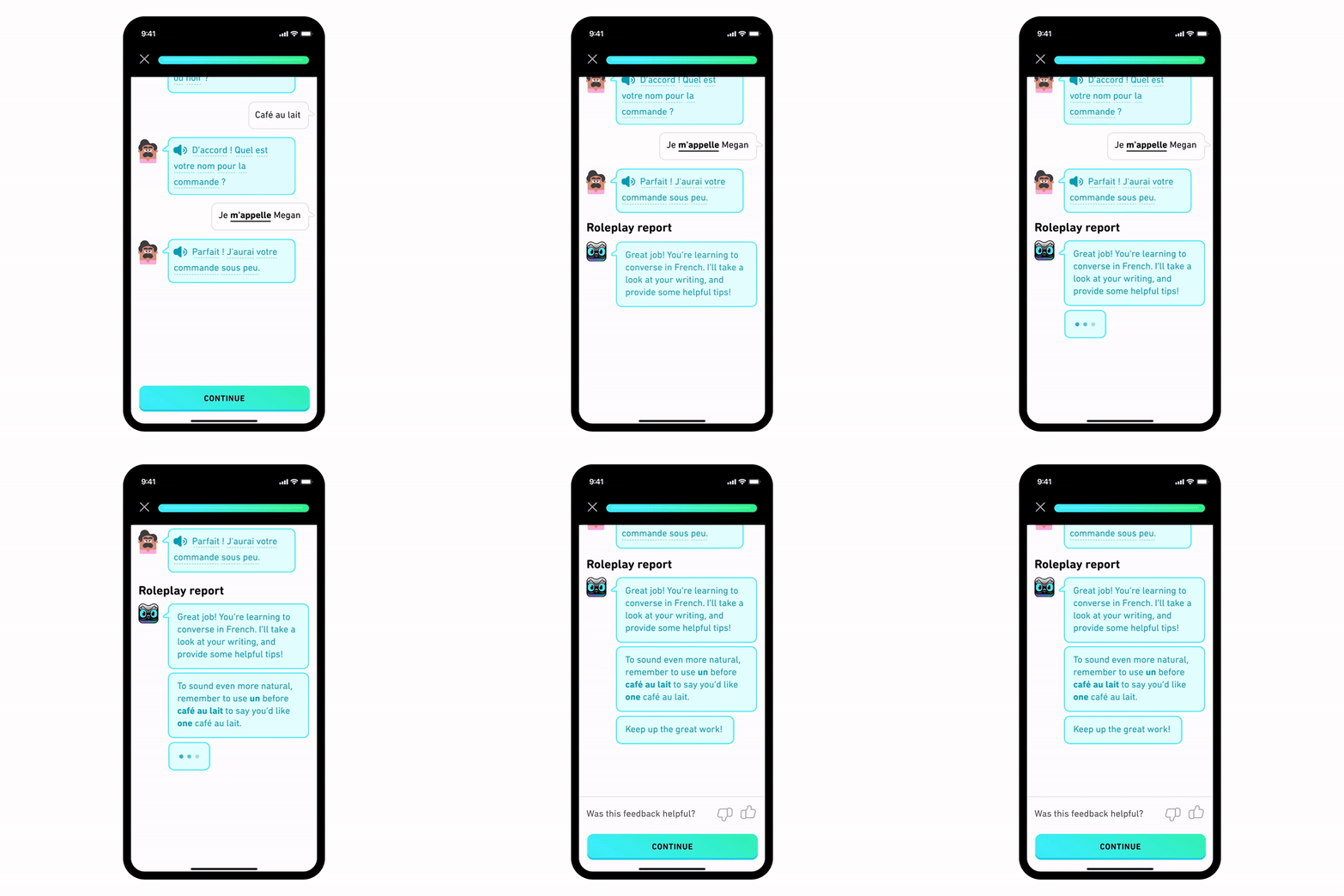
This feature lets students practice real-world conversations with virtual characters. They can access it by tapping on a character and earn XP for completing challenges. In these challenges, students practice dialogue in different scenarios, such as planning a future vacation with Lin, ordering coffee at a cafe in Paris, buying furniture with Eddy, or inviting friends to go hiking. These exercises help students build language skills across contexts.
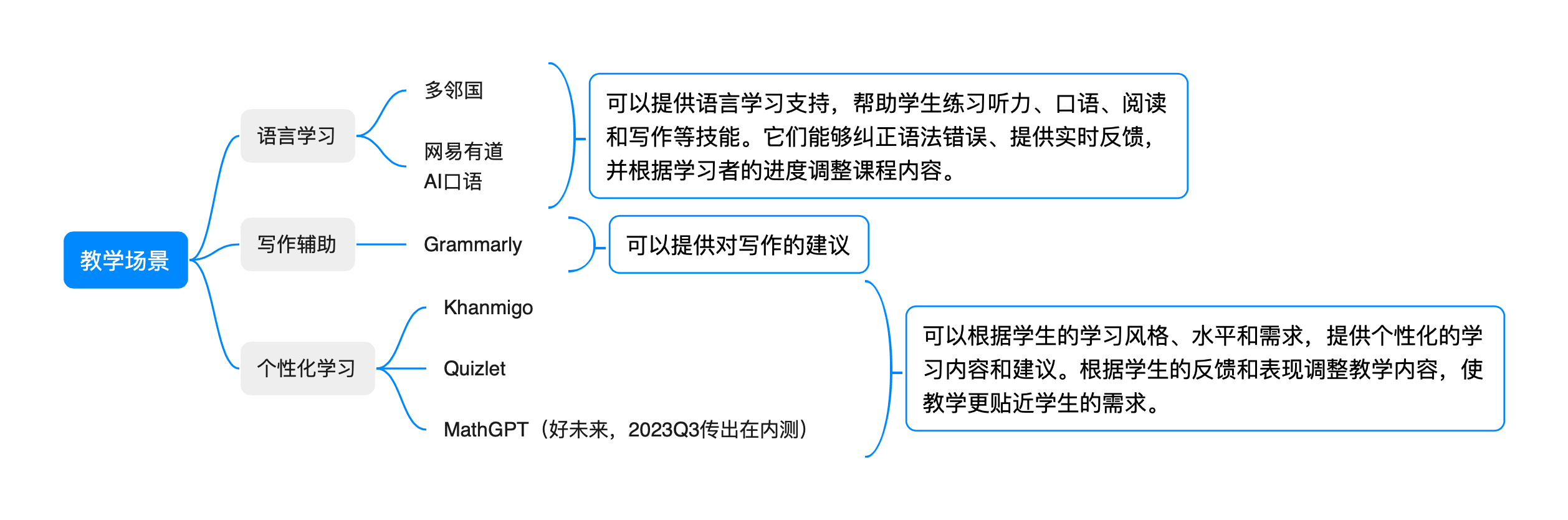
Youdao (AI Speaking Tutor)
Similar to Duolingo’s roleplay scenarios, it simulates conversation scenarios, but the experience is average.
API documentation
Mini program available for hands-on experience
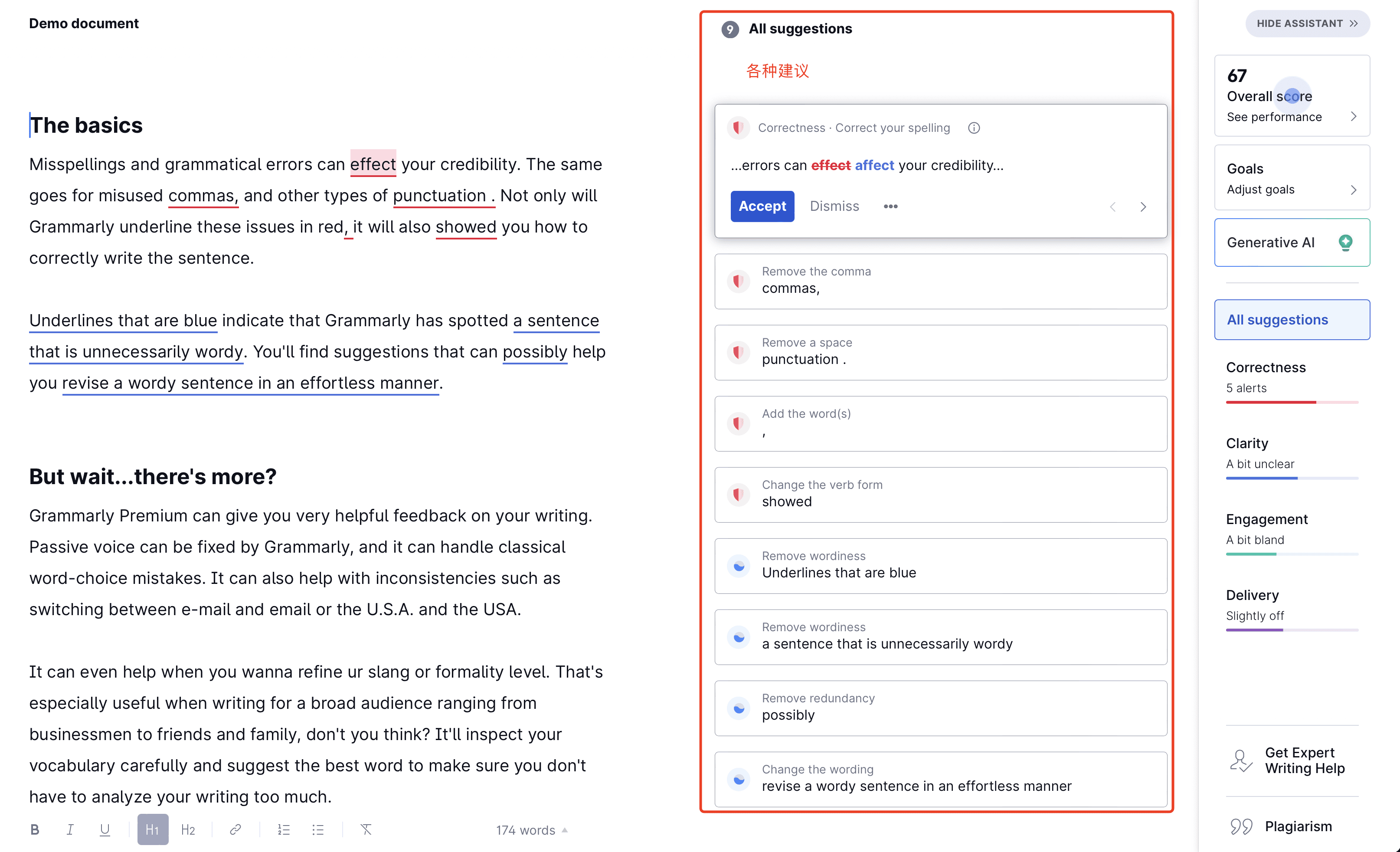
Grammarly
Writing assistant that improves writing skills.
Khanmigo
Khanmigo is a personalized learning tool built on GPT-4 and other models. It provides modes like “Tutor Me” and subject-based quizzes. It is most accurate for K-12 topics, but less accurate for niche subjects.
Quizlet (Q-Chat)
Q-Chat is ChatGPT’s AI tutor inside Quizlet. Quizlet is an online learning platform with interactive tools to help students understand and remember knowledge. Q-Chat works like a personalized AI tutor, helping each student based on their learning style and progress. It can have deep, question-driven conversations with students on any topic, using a Socratic approach to spark active learning and deepen understanding.
YouTube demo video: https://www.youtube.com/watch?v=VLUGMzbJ3_M
MathGPT (Not Released)
MathGPT focuses on explaining problems, solving them, and algorithms. It can generate random math problems and provide systematic answers. It supports both Chinese and English, and works on mobile and PC.
Based on current data, MathGPT can cover high school, middle school, and elementary school math. Algebra, word problems, and calculations can all be solved with MathGPT, with clearer reasoning and logic.
Adapt to change, embrace AIGC, learn to use AIGC tools, and combine them with your work and life so AIGC helps us become better.
- Conversational assistants: help search, summarize, and organize efficiently (use ChatGPT abroad if possible; otherwise Tencent, Baidu, or Alibaba options)
- Image and video assistants: use tools like Midjourney and Runway to accelerate posters and outward-facing copy
- Coding assistants: use GitHub Copilot, Bito, and others to speed up coding