Why Summarize
“When actions fail, seek the cause in yourself.” — Mencius
Learning to look for reasons in ourselves can help us become better people.
Whether for individuals or teams, doing a targeted year-end summary (preferably data-driven) is very helpful for finding problems and improving.
Avoid summarizing just for the sake of summarizing. We should use objective facts (data is a good tool) to find the causes behind problems, then try to change and improve.
Preparation
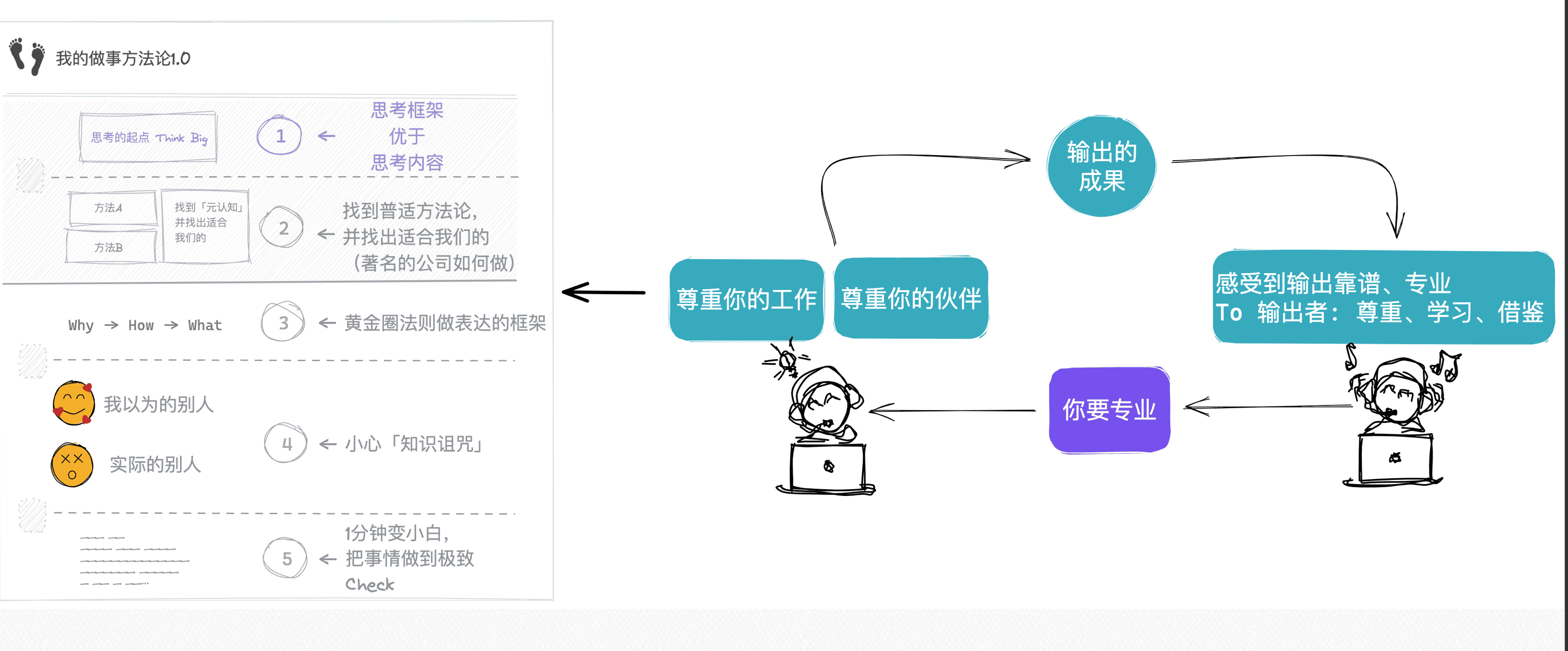
A thinking framework is more important than the thinking content.
Avoid a流水账
As an R&D leader, when summarizing I first avoid a流水账 (chronological diary). Don’t start by thinking “what we did this year,” because that easily gets lost in details.
Think: What Kind of Team Do We Need?
As a child, we were often asked, “What kind of person do you want to become?” Managing a team follows the same logic: first think about “what kind of team we need.” At the start of 2021, our guiding idea was “become a professional team,” and over the following year we adhered to that principle.
Guiding Principles for Team Building
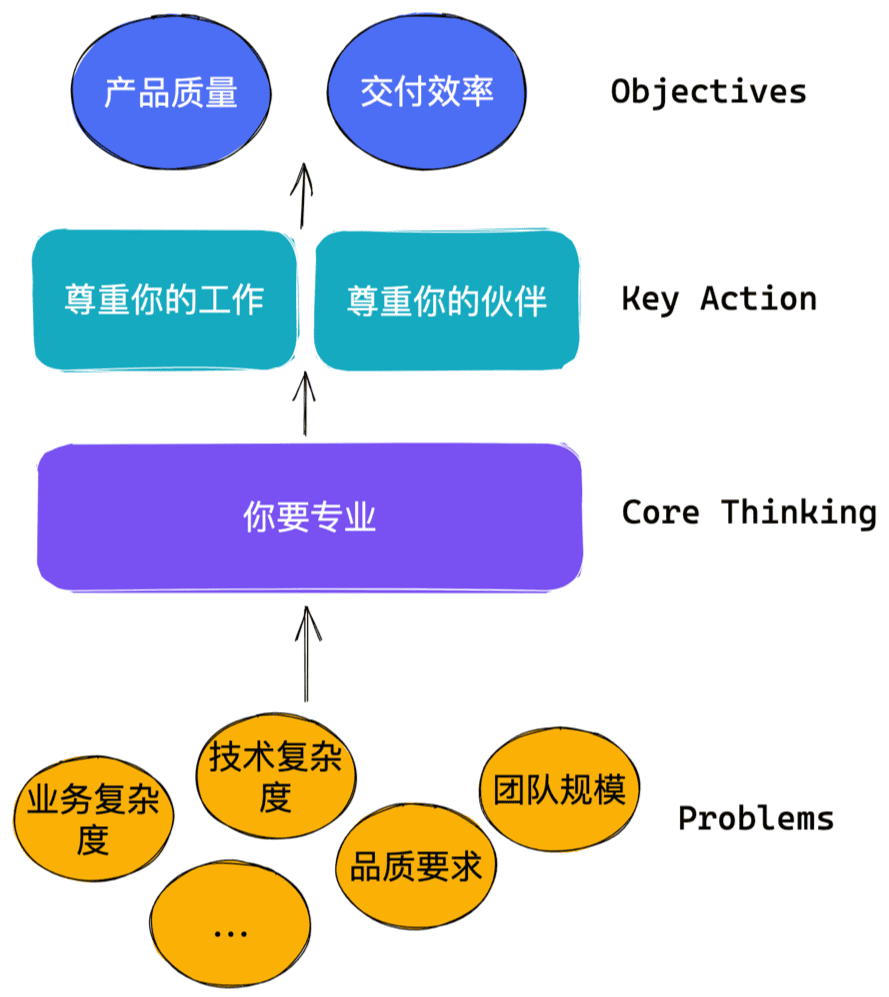
Abstract the Team’s Work Categories
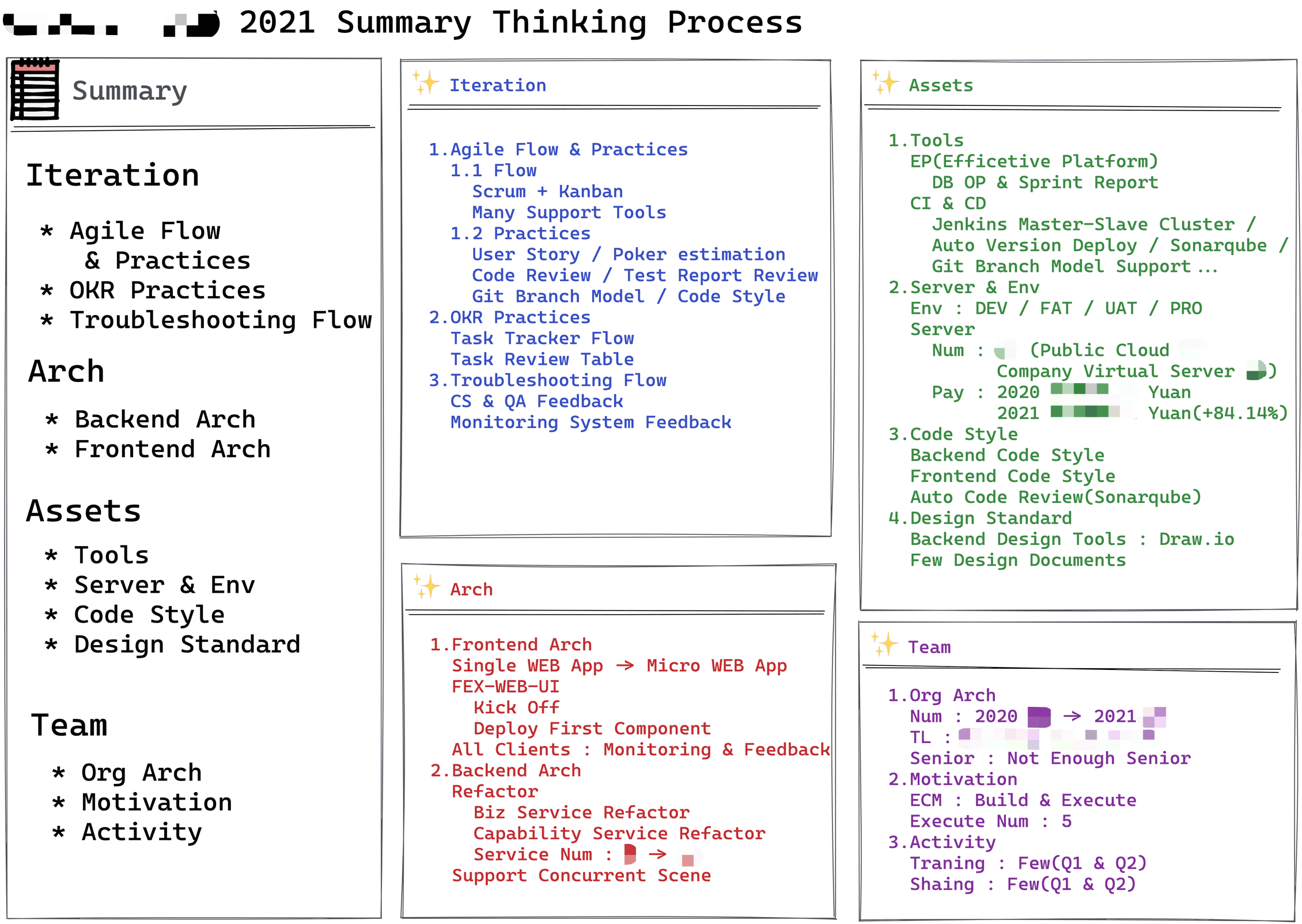
My Approach
What We Did
Recommend describing key items according to the work categories.
What We Achieved, What We Didn’t
Compare what we did with objective data feedback and the goals set at the beginning of the year. Analyze the gaps, find root causes, and provide improvement ideas for the next year.
Share Personal or Team “How-To” Insights (Methods)
The intent is to raise team cognition: giving a fish is not as good as teaching how to fish.
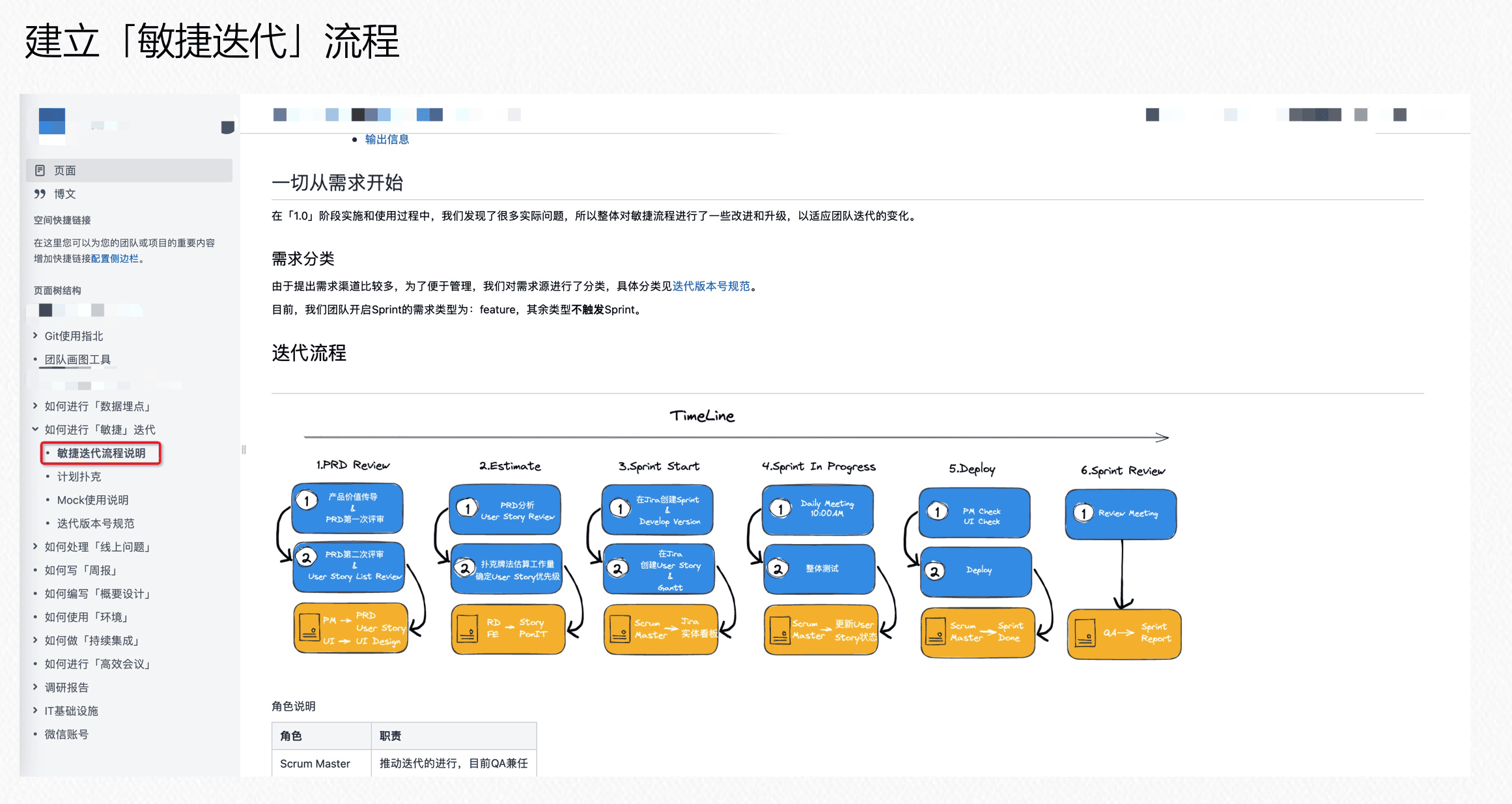
My 2021 Summary (Partial)
What We Did
Iteration
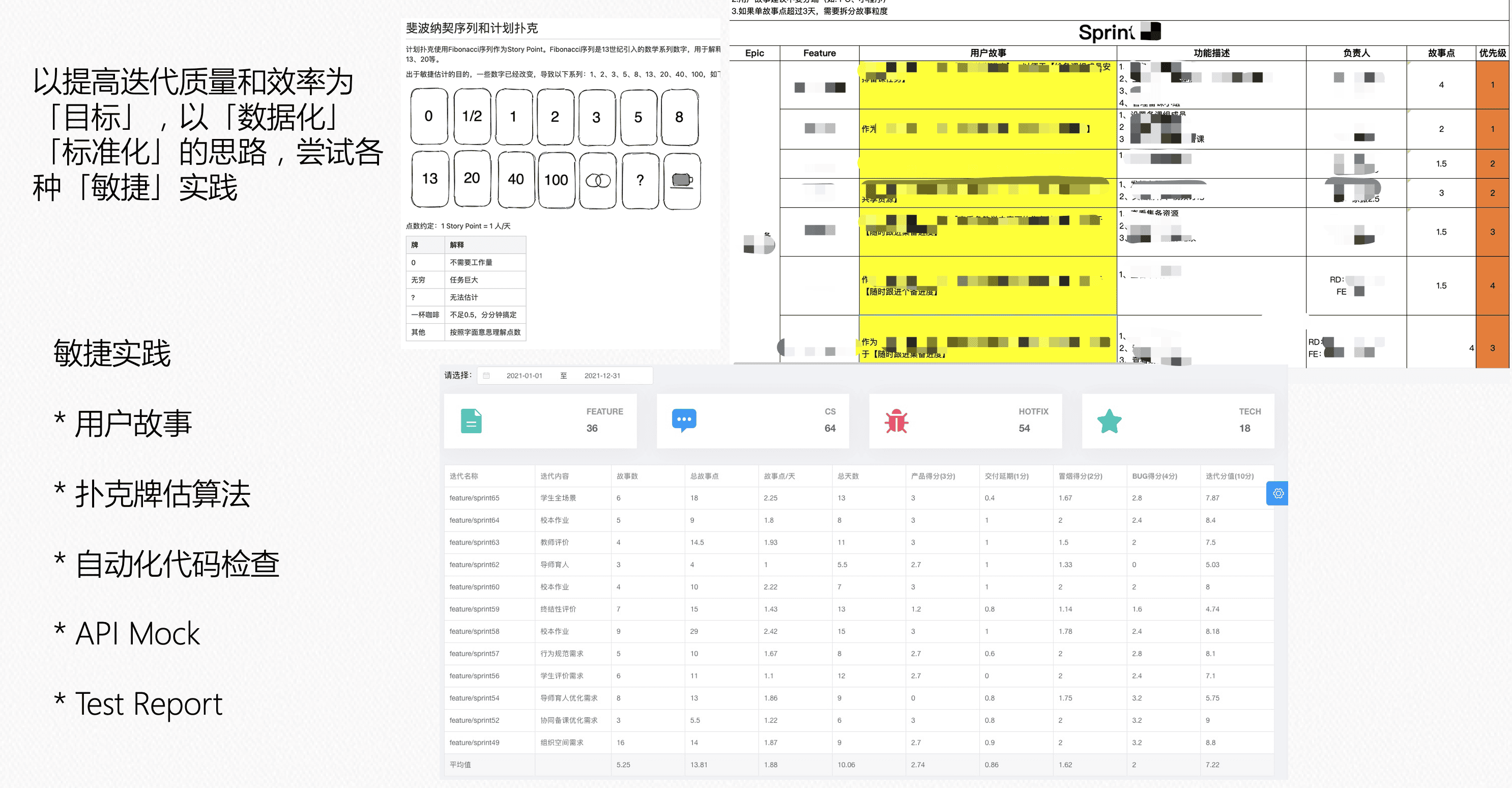
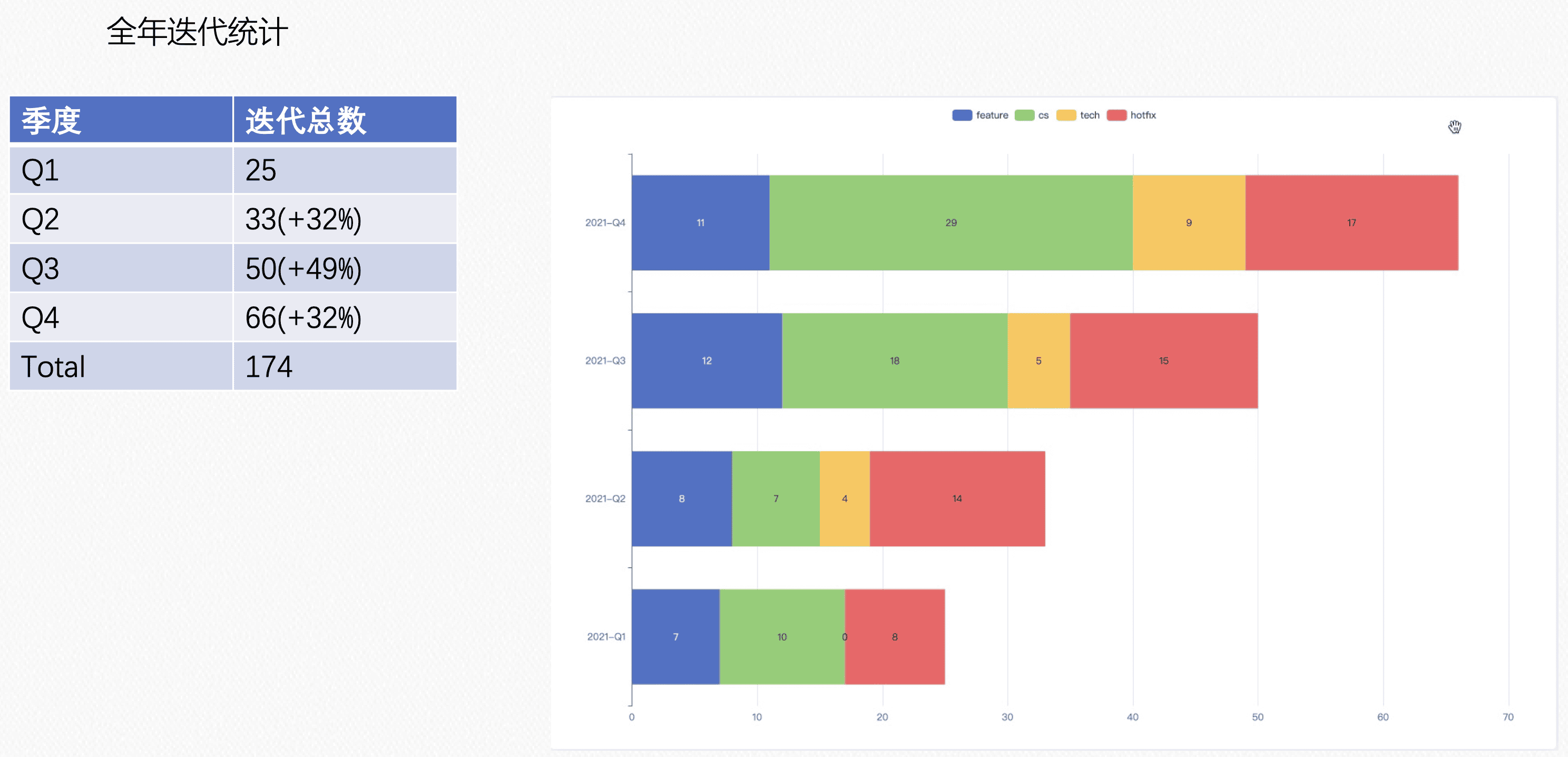
-
Arch
- Backend
- Content too sensitive
- Frontend
- Content too sensitive
- Backend
-
Assets
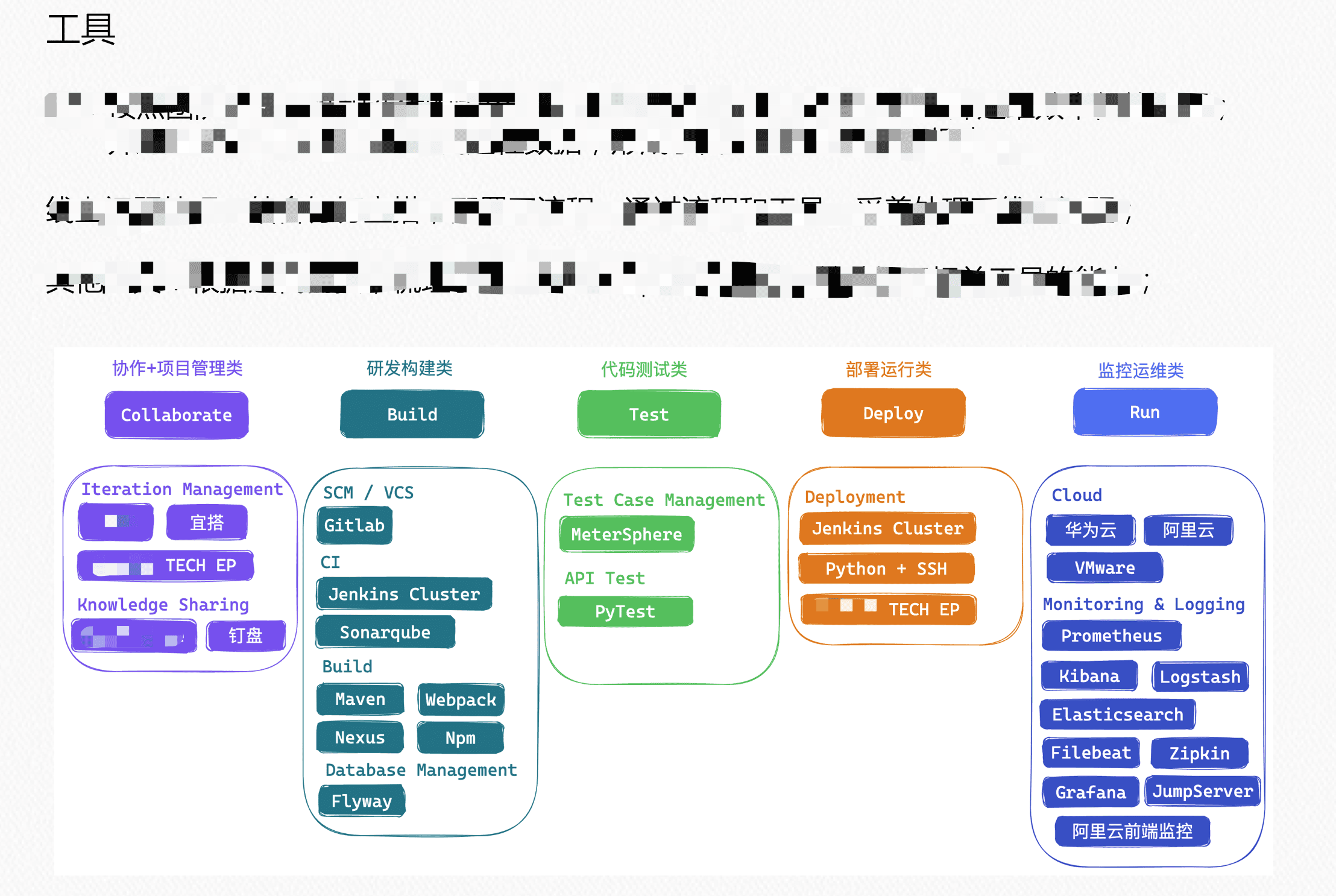
- Tools
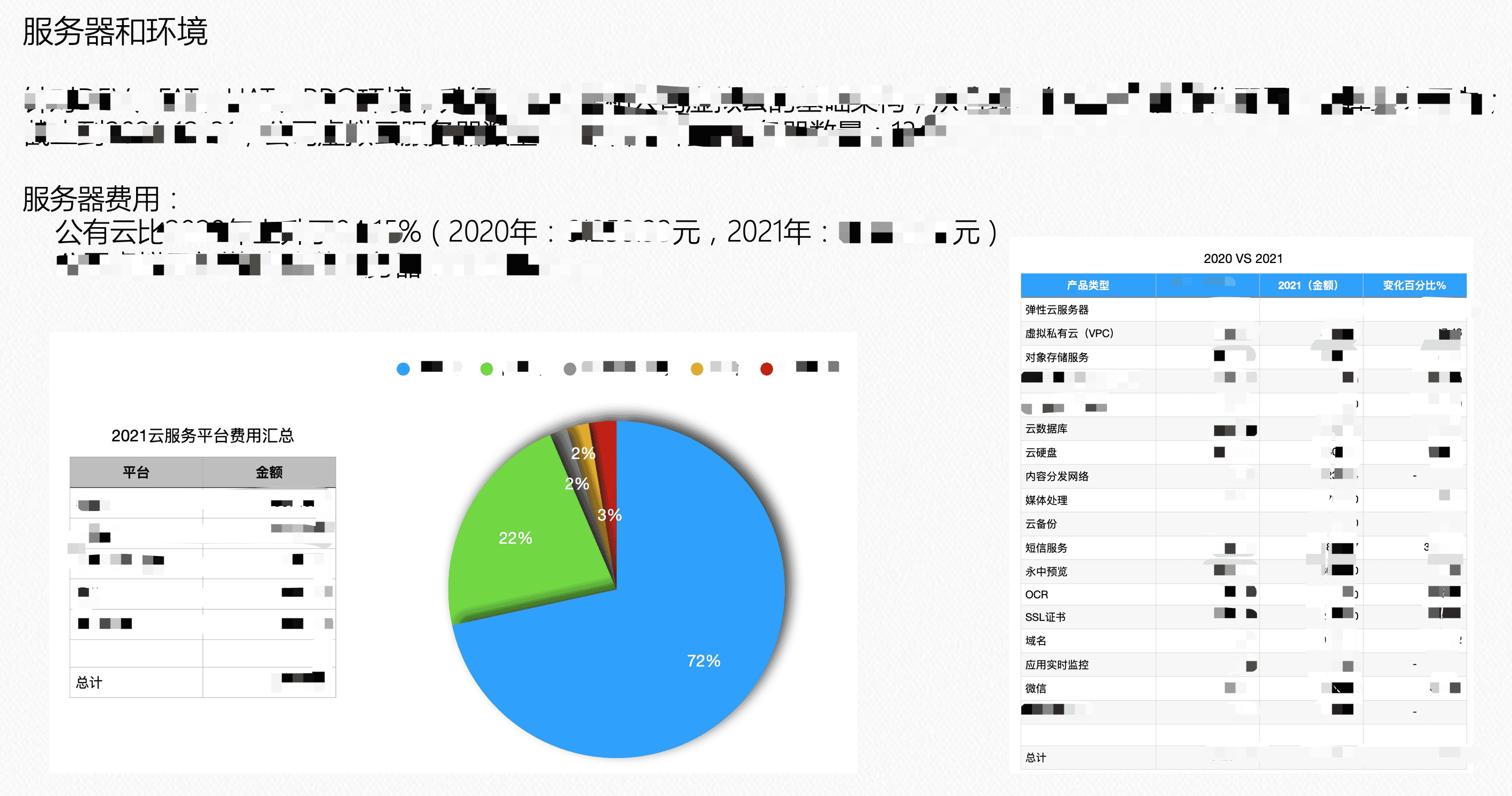
- Servers and environments
- Code planning & design
- Content too sensitive
-
Team
- Architecture
- Content too sensitive
- Incentives
- Content too sensitive
- Activities
- Content too sensitive
- Architecture
What We Achieved, What We Didn’t
- Content too sensitive
Share Personal or Team “How-To” Insights (Methods)